Complete Guide to Importing Spices from India to UAE
Why Import Indian Spices to UAE?
The United Arab Emirates is one of the largest importers of Indian spices in the Middle East. With a large South Asian expatriate population, thriving food service industry, and its position as a major re-export hub, the UAE offers exceptional demand for quality Indian spices.
- India exports over $400 million worth of spices to UAE annually
- UAE is the #1 re-export hub for spices in the GCC region
- Dubai's spice souk handles thousands of tonnes monthly
- Free trade zones offer 0% import duty advantages for re-export
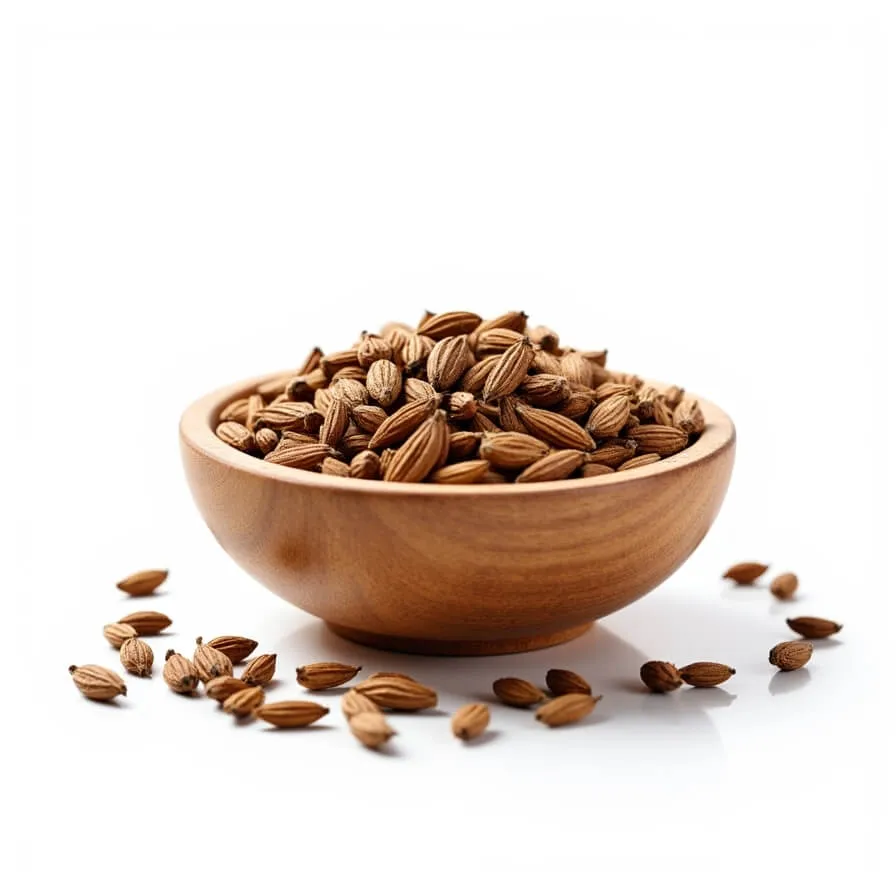
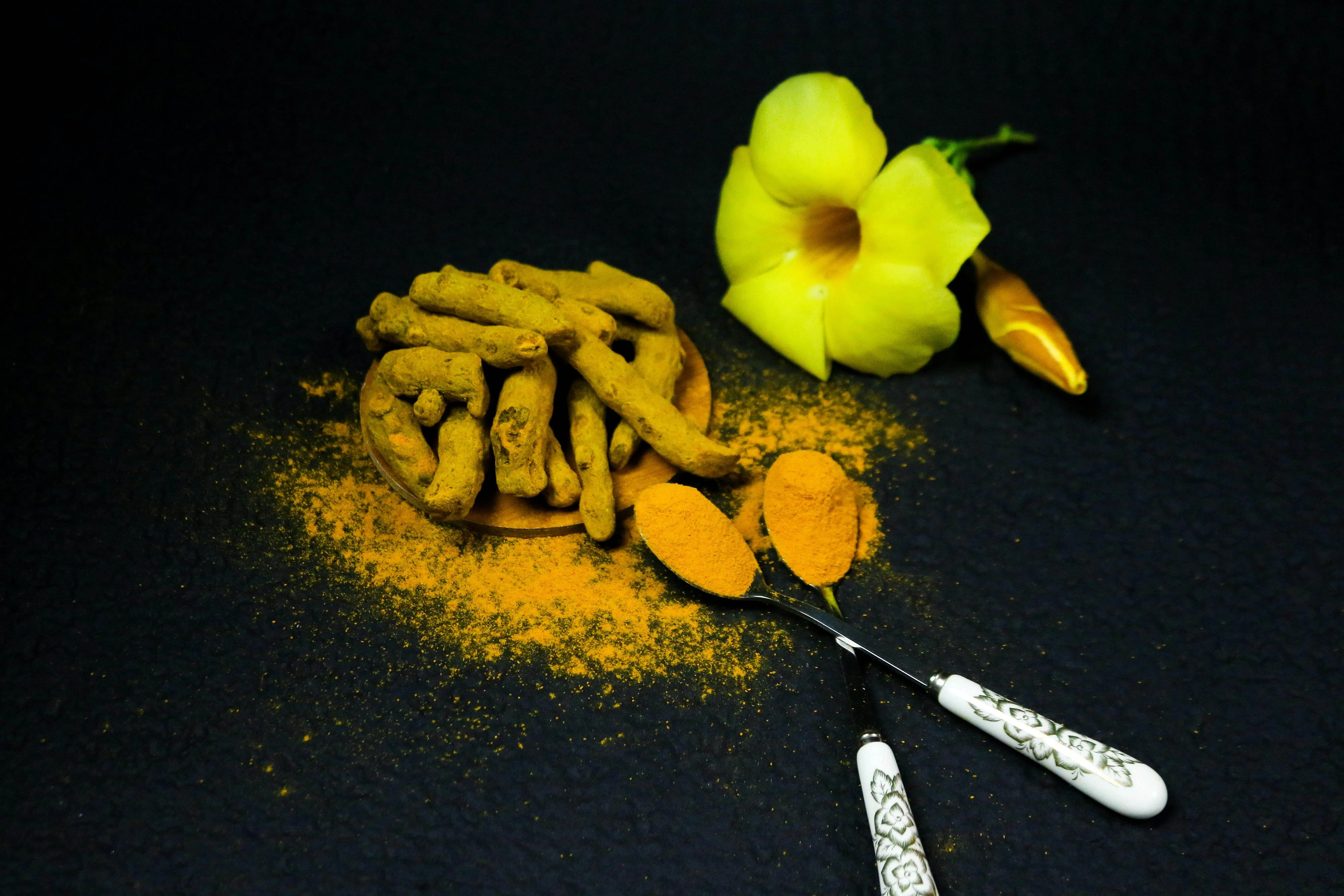
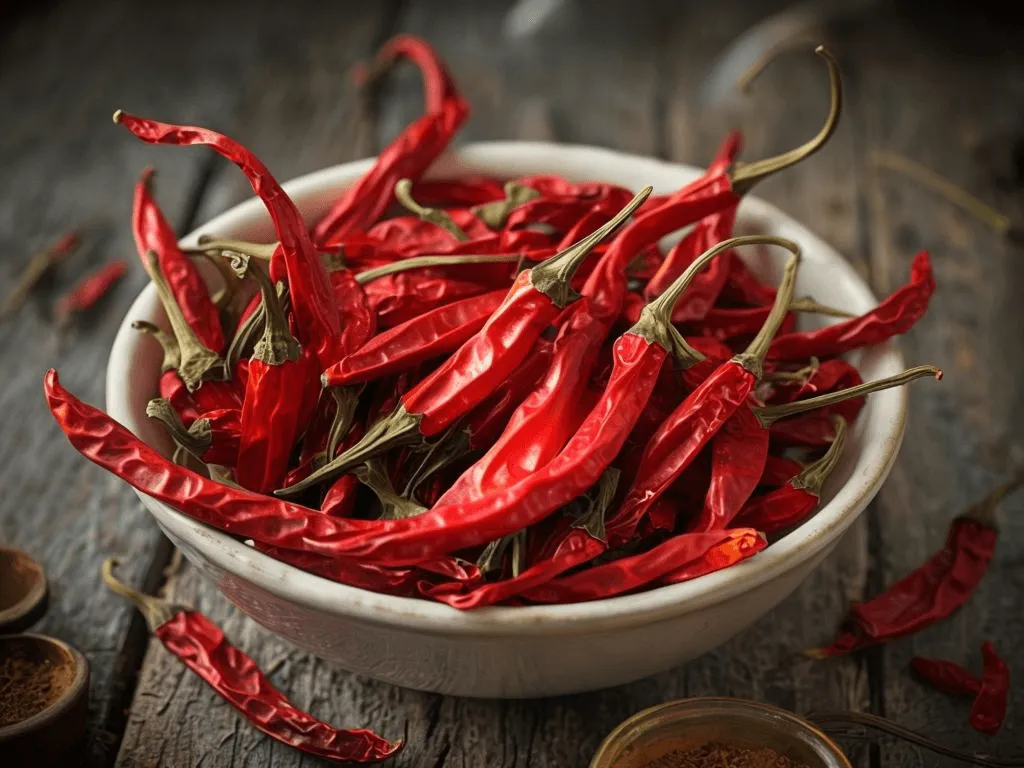
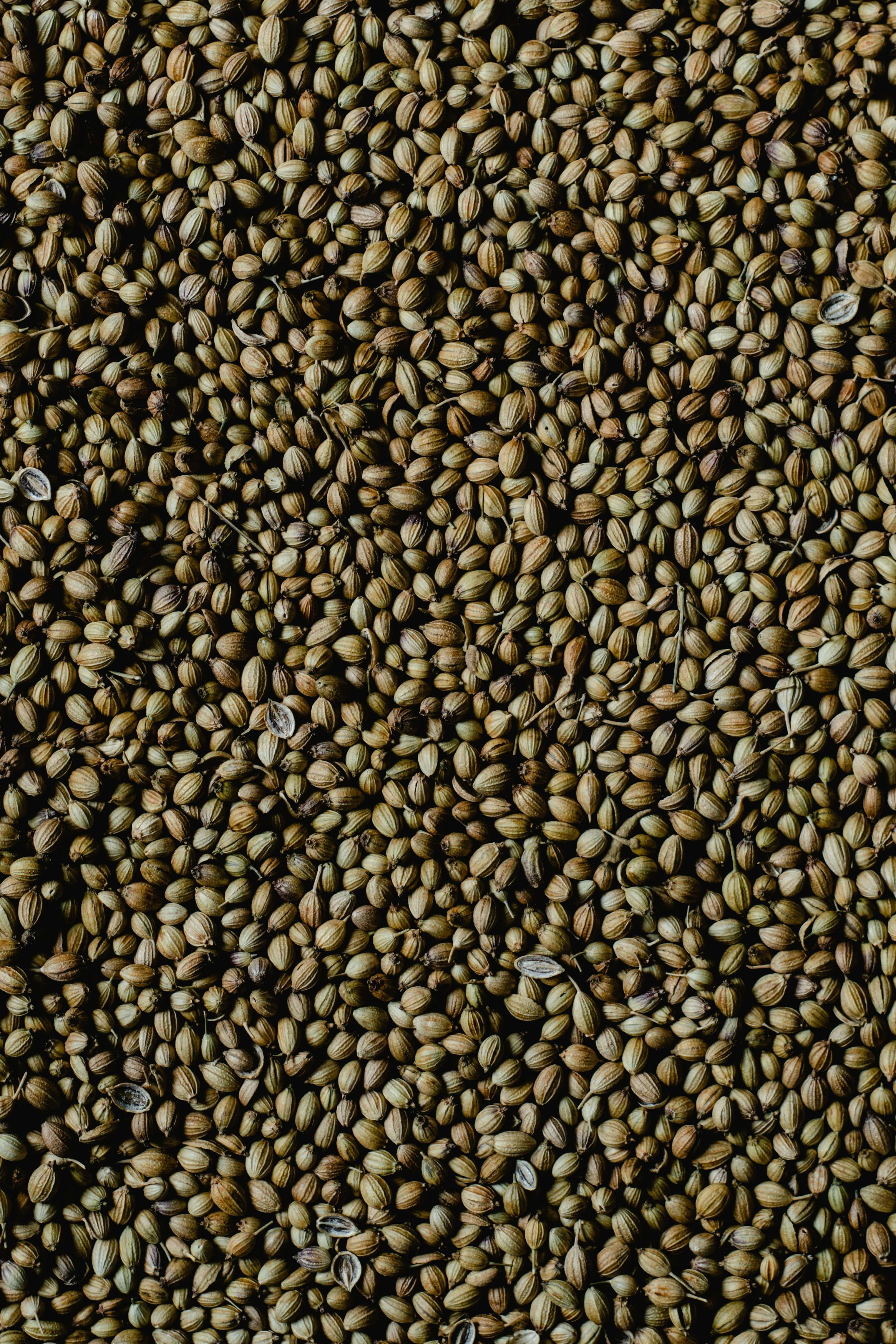
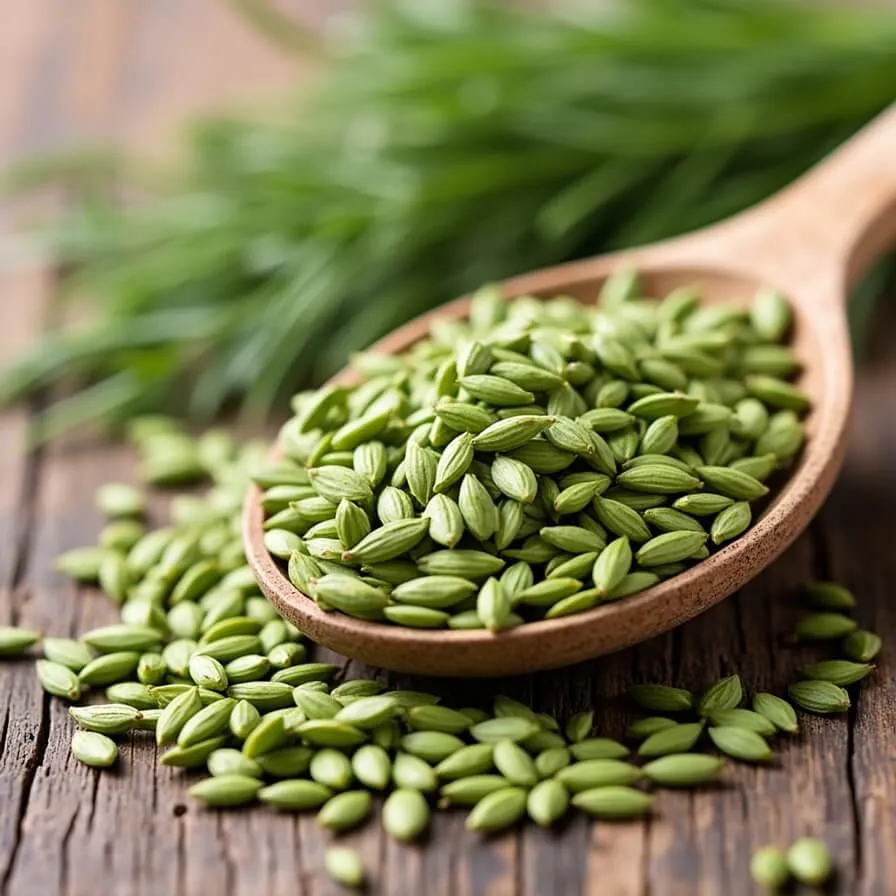
The most in-demand Indian spices in the UAE market include cumin seeds, turmeric finger, red chilli (whole and powder), coriander seeds, fennel seeds, cardamom, and black pepper. These products serve the local food industry, hotel chains, spice repackaging companies, and re-export traders serving Africa and Central Asia.
UAE Import Regulations for Food Products
1. Trade License Requirements
To import food products into the UAE, you need a valid trade license issued by the Department of Economic Development (DED) in your emirate. The license must include "foodstuff trading" or "spice trading" as a permitted activity.
- Dubai: DED trade license + Dubai Municipality food section approval
- Abu Dhabi: ADDED license + Abu Dhabi Agriculture and Food Safety Authority (ADAFSA) registration
- Sharjah: Sharjah Economic Development Department + Sharjah Municipality clearance
- Free Zones: JAFZA, DAFZA, or RAK FTZ licenses allow import/re-export activity
2. FIRS Registration (Mandatory)
All food importers must register on the Food Import & Re-export System (FIRS) managed by the Emirates Authority for Standardization and Metrology (ESMA). This digital platform tracks every food shipment entering the UAE.
- Create an account at the FIRS portal
- Upload your trade license and food-related permits
- Register each product category you plan to import
- Submit pre-arrival notifications for each shipment
3. Dubai Municipality Food Safety Requirements
For imports through Dubai, the Dubai Municipality Central Food Laboratories conducts testing on imported food products. Spices are tested for:
- Aflatoxin levels (must be below 10 ppb total, 5 ppb B1)
- Pesticide residues (must comply with UAE.S GSO 382)
- Heavy metals (lead, arsenic, mercury, cadmium)
- Microbiological contamination (Salmonella, E. coli, mold count)
- Moisture content (varies by spice type)
4. Labeling Requirements
All spice imports must have labels compliant with UAE.S GSO 9 and UAE.S GSO 2233:
- Product name in both Arabic and English
- Country of origin clearly stated
- Net weight in metric units
- Production and expiry dates
- Lot/batch number for traceability
- Importer name and address in UAE
- Storage instructions
Need Help Importing Spices to UAE?
Mile Overseas handles all export documentation and ships directly to Jebel Ali & Sharjah ports.
Request Quote WhatsApp UsStep-by-Step Import Process
Register Your Import License
Obtain your trade license from DED with food trading activity. Register on FIRS and get your Dubai Municipality food section approval. This typically takes 2-4 weeks for new importers.
Select Your Indian Spice Supplier
Choose a certified exporter with valid IEC (Import Export Code), FSSAI license, and preferably ISO/HACCP certifications. Request product specifications, lab test reports, and samples. Verify their export track record to UAE.
Agree on Terms & Place Order
Negotiate Incoterms (FOB Mundra/JNPT or CIF Jebel Ali), payment terms (Letter of Credit for first orders is recommended), product specifications, and minimum order quantities. A standard first order is typically one 20 ft container (12-18 MT depending on spice).
Documentation Preparation
Your Indian supplier prepares: commercial invoice, packing list, certificate of origin (from Indian Chamber of Commerce), phytosanitary certificate (from Plant Quarantine India), health/lab test certificate, and bill of lading. You submit pre-arrival notification on FIRS.
Shipping & Transit
Container ships from Mundra (Gujarat) or JNPT (Mumbai) to Jebel Ali port typically take 4-7 days. Major shipping lines include MSC, Maersk, Hapag-Lloyd, and CMA CGM with regular weekly services.
Customs Clearance in UAE
Submit all documents to UAE Customs through your clearing agent. The shipment may undergo physical inspection and lab sampling by Dubai Municipality. Duty of 5% is applied on CIF value. Clearance typically takes 3-5 working days.
Required Documents Checklist
Documents from Indian Exporter
| Document | Issued By | Purpose |
|---|---|---|
| Commercial Invoice | Exporter | Value declaration for customs duty calculation |
| Packing List | Exporter | Details of goods, weights, and packaging |
| Bill of Lading | Shipping Line | Proof of shipment and title to goods |
| Certificate of Origin | Indian Chamber of Commerce | Confirms goods originate from India |
| Phytosanitary Certificate | Plant Quarantine (DPPQS), India | Confirms products are pest-free |
| Health / Lab Test Certificate | Accredited Lab (e.g., SGS, Bureau Veritas) | Confirms quality, aflatoxin, pesticide levels |
| Halal Certificate | Recognized Halal body | Required for food imports (recommended) |
| Fumigation Certificate | Pest control agency | Proof of container/product fumigation |
Documents from UAE Importer
| Document | Purpose |
|---|---|
| Trade License (with food activity) | Authorization to import food products |
| FIRS Registration | Mandatory food import tracking system |
| Import Declaration (customs) | Filed by customs broker for clearance |
HS Codes & Duty Rates for Spices
Under the GCC Common Customs Tariff, most spice imports attract a 5% customs duty on CIF value. Key HS codes for Indian spices imported to UAE:
| Spice | HS Code | Duty Rate |
|---|---|---|
| Cumin Seeds | 0909.31 | 5% |
| Coriander Seeds | 0909.21 | 5% |
| Turmeric | 0910.30 | 5% |
| Red Chilli (dried) | 0904.21 | 5% |
| Black Pepper | 0904.11 | 5% |
| Fennel Seeds | 0909.61 | 5% |
| Cardamom | 0908.31 | 5% |
| Sesame Seeds | 1207.40 | 5% |
| Mustard Seeds | 1207.50 | 5% |
| Cloves | 0907.10 | 5% |
Shipping Routes & Transit Times
Major Indian Ports for Spice Export
- Mundra Port (Gujarat) — Closest to Gujarat spice-growing regions (cumin, fennel, sesame). Transit to Jebel Ali: 4-5 days.
- JNPT / Nhava Sheva (Mumbai) — India's largest container port. Transit to Jebel Ali: 5-6 days.
- Kandla Port (Gujarat) — Specializes in bulk cargo. Transit to Jebel Ali: 4-5 days.
- Cochin Port (Kerala) — Gateway for South Indian spices (pepper, cardamom, cloves). Transit to Jebel Ali: 6-7 days.
UAE Destination Ports
- Jebel Ali (Dubai) — Largest port in the Middle East, handles 80%+ of UAE's container traffic
- Khalifa Port (Abu Dhabi) — Growing hub, especially for KIZAD free zone imports
- Port of Sharjah / Hamriyah — Alternative for Sharjah-based importers
Typical Timeline
| Stage | Duration |
|---|---|
| Order confirmation to production | 3-7 days |
| Quality testing & packing | 2-3 days |
| Export documentation & customs | 2-3 days |
| Sea freight (India → UAE) | 4-7 days |
| UAE customs clearance | 3-5 days |
| Total (order to delivery) | 15-25 days |
Cost Breakdown: India to UAE
Here's a typical cost structure for importing one 20 ft container of cumin seeds from Mundra to Jebel Ali:
| Cost Component | Approximate Range (USD) |
|---|---|
| Product cost (FOB, 14 MT cumin) | $28,000 – $42,000 |
| Sea freight (Mundra → Jebel Ali) | $800 – $1,500 |
| Insurance (0.3-0.5% of CIF) | $100 – $200 |
| UAE customs duty (5% of CIF) | $1,500 – $2,200 |
| Clearing agent fees | $200 – $400 |
| Dubai Municipality testing fee | $100 – $300 |
| Local transport (port to warehouse) | $150 – $300 |
| Total landed cost | $30,850 – $46,900 |
Ready to Import Indian Spices to UAE?
Get a competitive quote for bulk spice supply from India. We handle all export documentation and ship to Jebel Ali, Sharjah, and Abu Dhabi ports.
Request Free Quote WhatsApp UsFrequently Asked Questions
What documents are needed to import spices from India to UAE?
You need a commercial invoice, packing list, bill of lading, certificate of origin, phytosanitary certificate, health certificate, and halal certificate. Additionally, UAE requires FIRS registration and Dubai Municipality approval for food products.
What is the import duty on spices in UAE?
The UAE applies a standard 5% customs duty on most spice imports under the GCC Common Customs Tariff. Spices classified under HS Chapter 09 (e.g., 0909.31 for cumin, 0910.30 for turmeric) fall under this rate. Free zone imports for re-export enjoy 0% duty.
How long does it take to import spices from India to UAE?
Sea freight from major Indian ports (Mundra, JNPT) to UAE ports takes 4-7 days. Add 3-5 days for customs clearance. Total transit time from order to delivery is typically 15-25 days including documentation.
Do I need FIRS registration to import spices to UAE?
Yes, all food importers in the UAE must register on the Food Import & Re-export System (FIRS). This registration is mandatory before any food shipment can clear customs.